Coastal weather condition and canyon winds make Orange County stunning, and unforeseeable. In summer season, high heat pushes a/c unit hard. In fall, Santa Ana winds dry chaparral and raise fire risk. Utilities respond with targeted shutoffs, and area grids get brittle during peak use. The majority of interruptions last less than two hours, but some stretch over night or longer. If you have an office, a medical gadget, or a walk-in full of perishables, two hours can feel like 2 days. That is where a right-sized generator and a properly installed transfer switch earn their keep.
As a licensed electrician in Orange County, I have seen both sides of backup power. Homes that slide through a blackout with lights consistent and refrigerators humming, and homes that battle with loud portables and tangle-prone cords. The difference is seldom the brand name of generator. It normally boils down to preparation, sizing, and a safe, code-compliant transfer method. The details matter, especially in our dense neighborhoods where setbacks, HOA guidelines, and gas supply restraints often shape the final design.
What a generator can and can not do
Every backup plan begins with top priorities. A standby generator can bring back comfort and protect essentials, however even large systems have limits. In lots of Orange County system homes with 100 to 200 amp services, we map a secured circuits panel for the genuine requirements: fridge and freezer, garage door opener, a few lighting circuits, the web entrance, perhaps a ducted heater fan. If there is a medical requirement like a CPAP or oxygen concentrator, that gets top billing. Pool pumps, electrical ovens, big day spas, and central air are often consisted of, sometimes not, depending on the readily available fuel and budget.
I frequently sit at a cooking area table with the homeowner and examine an electrical costs, then take a quick walk through your home. We plug in a few genuine numbers. A modern fridge draws 150 to 300 watts running, but kicks to 600 watts at startup. A heating system blower pulls 400 to 800 watts. A one lot mini split can sip as little as 500 watts in mild weather. A 3.5 ton main air conditioner unit can rise to 6,000 watts and run at 3,000 to 4,000. Multiply those peaks, include diversity aspects, and you get a realistic target size. Thinking from labels alone causes oversize or undersize mistakes.
Portable generators are outstanding for short, occasional blackouts. They shine when you only require a couple of home appliances and can endure manual setup. Standby generators start immediately, power vital circuits, and operate cleaner and quieter, however the task involves gas piping, a concrete pad, code clearances, HOA approval, and a correct automatic transfer switch. In both cases, the transfer gadget is the critical security gear.
The transfer switch is the keystone
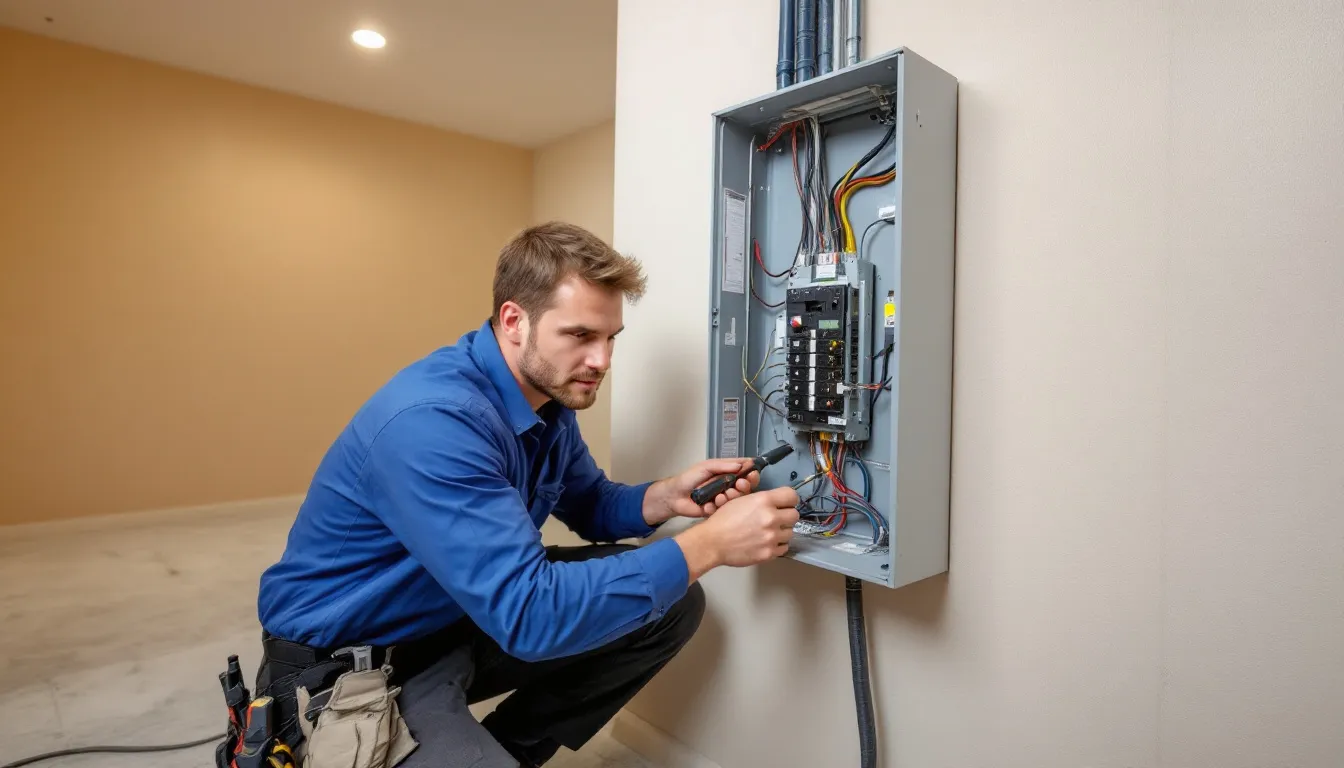
A transfer switch isolates your home from the utility throughout a blackout. That prevents backfeed up the line, which can hurt lineworkers and damage devices. It also stabilizes voltage and frequency provided to your circuits, something extension cords and improvised setups can not do. In Orange County, inspectors look closely at transfer devices, bonding, and labeling. They should.
There are 3 typical approaches we set up depending on the usage case:
- Interlock set. A moving interlock on the primary panel prevents the primary breaker and the generator backfeed breaker from being on at the very same time. It is budget friendly and deals with portables. It needs a correct inlet and a cable to the generator. It is manual. You need to be home and able to follow the sequence. Manual transfer switch with a dedicated subpanel. We move important circuits to a little panel. You select those loads with a toggle switch, then begin your portable generator and flip to generator power. Simpler to operate than managing entire home loads, and cleaner for households who travel. Automatic transfer switch, generally paired with a gas or propane standby generator. The ATS keeps an eye on utility power all the time. When energy voltage falls out of range, the ATS indicates the generator to start, waits on it to come up to speed, then transfers load automatically. When the grid go back to typical, it turns back and cools the generator down.
For small companies, healthcare clinics, and dining establishments, we frequently add load shedding modules to keep compressors, HEATING AND COOLING, and POS systems operating within the generator's capacity. For homes with electrical ranges or large Air conditionings, a wise ATS can stage those loads so a 14 to 18 kilowatt unit does not trip under heavy beginning currents.
Sizing a generator for Orange County realities
The right size depends upon what you value and the fuels available on your property. Gas service is common countywide, but not universal. Lp works well in canyons and rural pockets, though tank placement adds preparation. Gasoline is easy to find, yet saving it securely and keeping it fresh becomes its own chore. Diesel is effective and steady, but bulkier, noisier, and regularly used in business settings.
A normal 1,800 to 2,500 square foot Orange County home with gas devices frequently lands in the 7.5 to 14 kilowatt variety for an automated system, or a 4 to 8 kilowatt portable for manual operation. If you want central air supported, expect 18 to 24 kilowatts for many homes unless we install soft beginners and focus on loads. For townhouses and close lot lines in Irvine, Costa Mesa, or Fullerton, obstacles to windows and property lines can top generator size merely due to the fact that of noise and clearance. California and numerous local cities follow producer exhaust clearances, normally 5 feet from openings and fresh air intakes, and 3 feet from walls without windows, however each design has specifics.
One Irvine customer, a retired aerospace engineer, initially promoted a 24 kilowatt unit to run whatever. His meter set and half-inch gas branch might not feed the BTU demand without a pricey gas upgrade, and the HOA would not enable the sound profile adjacent to the neighbor's bed room. We re-scoped the task to a 14 kilowatt generator, moved laundry and oven off the protected panel, added a soft starter to the 3 lot condenser, and achieved reliable operation even during August peaks. The system passed on the very first assessment, and his neighbor later thanked him for the quieter choice.
Permits, code, and examinations that keep you safe
Orange County jurisdictions, whether city or county, require licenses for generator setup and transfer switches. The California Electrical Code, based on the NEC, governs bonding, conductor sizing, grounding electrode systems, and equipment listing. Southern California Edison has interconnection requirements for systems that parallel the grid. While generators for backup use do not export power, your transfer approach need to prevent parallel operation and be noted for the purpose.
Specific points inspectors scrutinize:
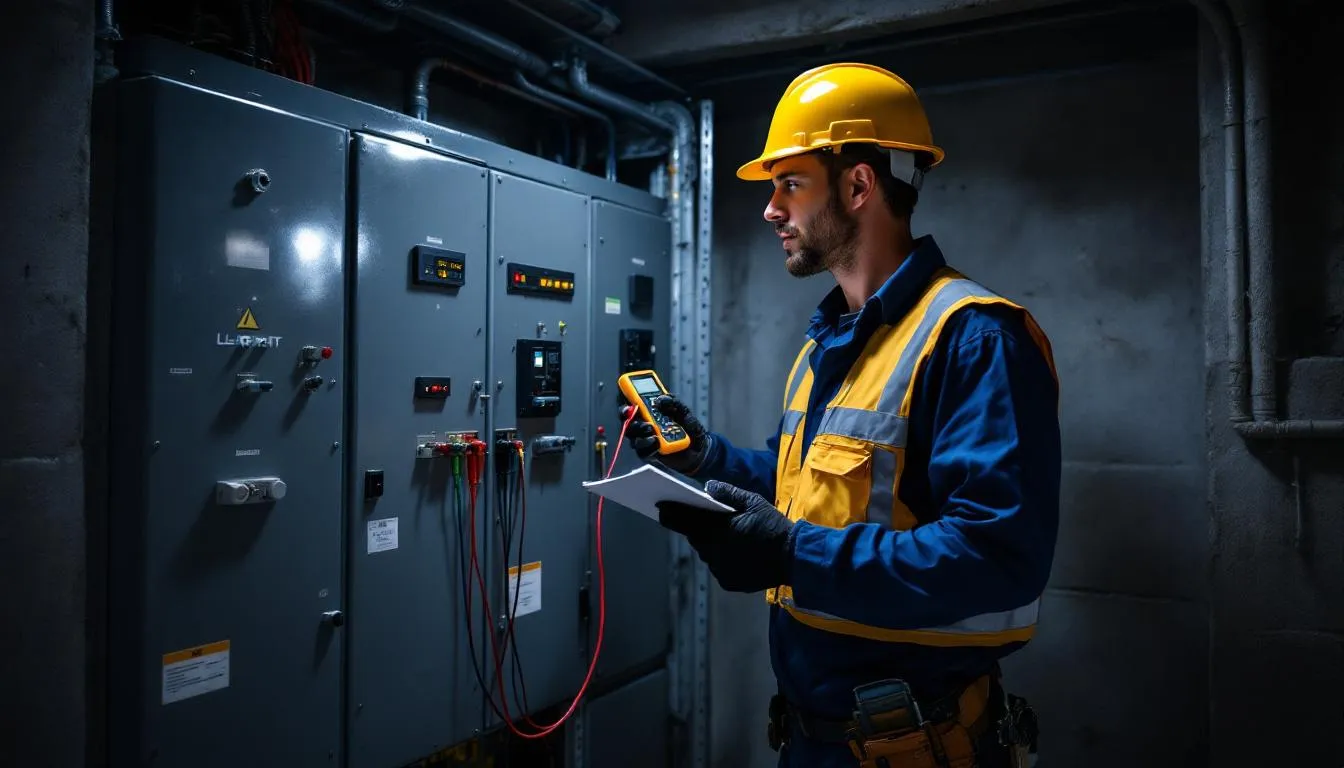
- Generator neutral bonding. If the generator has a bonded neutral, the transfer switch must change the neutral, or the generator needs to be set up for a floating neutral. A mis-bonded neutral creates parallel paths and can put existing on metal parts. We test this with a clamp meter during commissioning. Grounding electrode connection. Permanent generators require a grounding electrode conductor sized to code. Typically we link to the existing grounding electrode system at the service, however site conditions vary. Portable generator inlets do not get their own rods. Overcurrent security and conductor sizing. The generator feeder and ATS must be sized for ampacity and short circuit present ratings. We send maker one-lines with our authorization bundle to make the strategy inspect smooth. Working clearances. Panels, transfer switches, and disconnects requirement clear working space. Jamming an ATS in a narrow garage corner will make a correction notice.
An experienced Orange County electrical contractor will browse city specifics, from Huntington Beach seaside rust concerns to Anaheim's plan review design. This is not a location to cut corners or count on web diagrams.
Portables done right
For numerous house owners, a well-implemented portable generator is the very best balance of expense and strength. The secret is to ditch the spaghetti of cords and use a correct inlet and interlock or manual switch. We mount a weatherproof inlet near the garage or side backyard, size the cable with locking connectors, and label the series at the panel. We show the household how to manage loads. With a 7,500 watt portable, you can keep the refrigerator cold, lights on, and a mini split comfy in a home office.
Maintenance matters. Run the generator regular monthly for 10 to 15 minutes under a little load. Support gas and turn it every 6 to 12 months. Change oil per hours, not just the calendar. Keep the exhaust pointed far from windows and never ever run a portable in a garage, even with the door cracked. Carbon monoxide has fooled cautious people. It is quiet and heavier than air pockets in garages can develop before anyone notices.
For businesses, we typically avoid portables unless the operations are light and the area is owner occupied. Retail occupants in multi-tenant buildings face strict rules about fuel storage and exhaust discharge. An industrial electrician in Orange County will inform you the fire marshal will wish to see noted transfer devices and a clear prepare for safe operation.
Standby systems and the gas conversation
An automatic system brings a level of benefit and dependability that validates the price for many households and businesses. The tough part in our market is frequently gas supply. A 14 kilowatt natural gas unit draws roughly 200 to 250 cubic feet per hour at full load. Bigger systems go beyond 300 to 400 cubic feet per hour. If your existing meter set and branch line are sized for a water heater, furnace, and cooktop, you may already be near capability throughout peak heating. Add a generator to that mix and the pressure can droop when you need it most.
We coordinate with the gas utility to assess meter capability. In some cases the option is as simple as running a dedicated one inch line from the meter to the generator. Other times, the meter requires an upsized regulator and meter upgrade. Factor 2 to 6 weeks into your schedule for that utility work. For homes off gas, gas remains a fine choice. A 120 or 250 gallon above-ground tank, sited to code clearances and screened to satisfy HOA aesthetic appeals, can run a mid-size generator through a number of interruptions. Bear in mind, 120 gallons of propane corresponds to about 100 gallons usable, and consumption rates differ with load.
Noise is workable with good siting. Most domestic generators rate at 65 to 70 dB at 23 feet, similar to a conversation across a table. In a peaceful Cul de Sac at 2 a.m., that is obvious. We place the unit on a level, well-drained pad, tuck it behind a solid fence area that does not obstruct airflow, and orient the exhaust away from bed rooms. Vinyl walls show sound poorly. A wood fence with bushes in front soaks up better.
Transfer switches, panels, and the ripple effect
Installing an ATS frequently triggers a healthy discussion about your existing electrical service. Lots of mid-century homes in Orange and Santa Ana still run on 100 amp services with congested panels. If we are adding an ATS and secured circuits panel, this becomes a natural time to evaluate an electrical panel upgrade in Orange County. A clean 200 amp main panel, with identified breakers and space to grow, simplifies upkeep and enhances security. If we discover scorched bus stabs, aluminum branch circuits, or a Zinsco or Federal Pacific panel, we recommend panel replacement before we add emergency power equipment. No point in developing a backup system on weak foundations.
You may also wish to collaborate jobs. If an EV charger installation is on the horizon, we can prepare channel and capability for both. If you anticipate a cooking area remodel with induction cooking, now is the time to consider future loads. Smart home wiring and low voltage electrical wiring upgrades typically pass near the service location. Tidy cable television management and recorded terminations pay dividends later on throughout electrical troubleshooting.
When a generator truly pays off
- Homes with office that count on steady web and a couple of essential electronic devices. A small standby or a 6 to 8 kilowatt portable paired with a manual switch keeps productivity intact. Residences with medical equipment, freezers, or aquariums. The expense of lost contents and tension exceeds the spending plan for a correctly installed system. Small organizations like dental offices, independent pharmacies, shop grocers, and quick service restaurants. A half day without power can suggest thousands in ruined inventory and lost appointments. Properties in locations prone to Public Safety Power Shutoffs or older distribution infrastructure. We see pockets in canyon communities and older communities where tree limbs and winds develop yearly headaches.
Sequence of an expert installation
- Assessment and load planning. We record your must-have circuits, procedure readily available gas, and inspect panel capacity. We propose a generator size and transfer approach that fits your home and goals. Permitting and HOA coordination. We send illustrations, site strategies, and producer specifications. If an HOA is included, we offer sound information and aesthetic information in advance to avoid surprises. Site preparation and rough-in. We put a pad if required, run conduit and conductors, set the inlet or ATS, and stage gas piping with shutoff and sediment trap per code. Final connections and commissioning. We land conductors, torque to spec, test neutral and ground paths, begin the generator under load, validate transfer timing, and label whatever clearly. Training and upkeep schedule. We walk you through operation, monthly workout, and yearly service. We set tips for oil changes and stimulate plug periods. For standby systems, we connect the weekly exercise to a time that will not bother neighbors.
This circulation keeps jobs foreseeable. It likewise keeps inspectors happy due to the fact that each action is purposeful and documented.
Integrating batteries and UPS systems
Not every failure calls for a generator. For homes with solar and a battery, a correctly designed system can carry essentials for numerous hours. A battery shines during short failures and can smooth time-of-use rates. The limitation appears throughout multiday grid loss or in heat waves when a/c need spikes. Matching a modest generator with a battery and wise transfer gear gives the very best of both. The generator manages heavy loads and recharges the battery. The battery keeps things quiet over night or during brief blips.
For information closets, medical gadgets, and point of https://cristiankzzn360.theburnward.com/orange-county-emergency-situation-power-solutions-generators-transfer-switches sale terminals, a dedicated UPS bridges the 10 to 30 second space while a standby generator starts. It also conditions power throughout voltage droops that journey sensitive electronics. We size UPS systems for minutes, not hours, then let the generator shoulder the long run.
Commercial factors to consider and compliance
Commercial websites deal with different guidelines. If you run a center that supports important care equipment, NFPA 110 and California Building Code define efficiency classifications and screening intervals. Generators should reach rated voltage and frequency within set times, and you must log monthly tests under load. Dining establishments need trustworthy makeup air and hood controls even when the utility drops. We often separate hood motors, makeup air systems, POS, lighting, and restricted refrigeration onto a secured panel with a generator sized for stable operation. Because lots of leases restrict outside equipment, a compact gas unit tucked behind a garbage enclosure, with sound attenuation and bollards, can fix the siting puzzle.
Noise and exhaust routing inside malls require early discussions with property management. Pulling licenses through the City of Orange or Santa Ana for an occupant improvement with backup power will set off plan evaluations across electrical, mechanical, and fire. An industrial electrical contractor in Orange County who understands those counters will conserve you months.
Safety details that separate good from great
Little products add up to dependability and security:
- Clear, long-term labeling at the primary panel, ATS, inlet, and generator. In an emergency, you must not hunt for what gets powered. Very first responders appreciate visible, precise labels. Surge defense at the service and at sensitive equipment. Blackouts often come with surges. A layered SPD method can conserve devices and electronics. Thoughtful conductor routing and weatherproofing. UV resistant avenue, stainless hardware near the coast, and drip loops at inlets combat deterioration and annoyance faults. CO detectors on each level of the home and near bedrooms. Backup systems run when windows are closed. Keep detectors fresh and tested. Periodic load testing. A standby generator that never sees a real load may fail when needed. We mimic loads each year and record results.
These are the touches the best electrical expert in Orange County will demand, not since a sales brochure says so, however because field experience shows their worth.
Costs, compromises, and how to think about value
Budgets vary. A proper portable solution with inlet, interlock or manual switch, and a quality 7,500 watt generator might land in between a few thousand and the mid four figures depending on site intricacy. A residential standby system with pad, gas line, ATS, permits, and labor often ranges from the low teenagers to the mid twenties in thousands, with outliers when panels require replacement or the gas utility requires major upgrades. Business systems scale quickly with code requirements and capacity.
What you get for that invest is not simply kilowatts. You purchase predictability, security, and time. If your profession or business hinges on uptime, or an enjoyed one depends on powered devices, the mathematics tilts toward automatic systems. If outages in your neighborhood are uncommon and short, a clean portable setup with clear directions may be ideal. A local electrical contractor in Orange County who asks more concerns than they answer in the very first go to is generally on the right track.
Tying in related upgrades without overdoing it
While we are at your service gear, it is appealing to bolt on wish list items. Some make good sense together. If your panel is maxed and you plan an EV, schedule the electrical panel upgrade now and run channel for the future electric vehicle charger. If the garage is dark and you keep tripping on the step, we can handle brand-new lighting setup or recessed lighting in an afternoon while we are set in motion. Outside lighting to improve paths throughout outages typically dovetails with generator work because we are currently trenching or routing conduits. Outlet installation or a ceiling fan installation is easy to take in into the same permit if scope remains modest.
Whole home rewiring is a various task. If we reveal cloth-sheathed circuitry or brittle insulation throughout a generator task, we will flag it. But a full rewire deserves its own strategy and budget plan. An economical electrician is honest about phasing work so you invest where it matters most first.
Working with the ideal partner
Searches for electrician near me Orange County or 24 hour electrical expert Orange County bring a lot of names. What identifies a leading rated electrician from the rest on generator jobs is method. Ask to see a sample load calculation. Ask how they will manage neutral switching and grounding. Request recommendations from customers in neighborhoods like yours, because lot sizes, HOA cultures, and town hall expectations differ from Laguna Niguel to Placentia. A very same day electrical contractor might be ideal for emergency situation electrical repair work, however for a generator installation in Orange County, you desire a certified electrical contractor with documented experience in standby systems.
A capable Orange County electrical contractor will use clear scope, company communication on allowing timelines, and an upkeep strategy. They will discuss parts availability and service warranty support, not just the install day. If they gloss over fuel supply mathematics or recommend a backfeed without a transfer gadget, keep looking.
Final thoughts from the field
When the grid blinks off at 9 p.m. And your home stays lit, the ice cream in the freezer does not melt, and the CPAP hums through the night, the preparation pays for itself. I have stepped into pitch dark garages to help people wrangle extension cables around hot generator exhausts. I have actually likewise viewed a peaceful natural gas system carry a home through a 14 hour blackout while the family slept. The difference was preparing and craftsmanship.
If you are thinking about emergency situation power, start with a frank discussion about your top priorities, choose a safe transfer method, and size the system with genuine numbers. Pair that with correct allowing, an accountable fuel strategy, and periodic upkeep. The rest is information work a knowledgeable domestic electrician in Orange County or commercial electrician in Orange County must handle without drama.
Your home or organization deserves a service tailored to the way you live and work, not simply a box in the yard. With a thoughtful style and a stable hand on the tools, backup power in Orange County can be peaceful, safe, and all set when you require it.